
From intensive schools to a modern method
The method stands on a long tradition of intensive language learning. It grows out of:
- 19th‑century work by Heinrich Schliemann with parallel texts and massive input
- Intensive Soviet training programs for interpreters and specialists, with a strong focus on group practice and real‑life tasks
- Cold War era intensive programs that pushed language training to the limits of human attention and memory, setting new standards for what fast acquisition can achieve
- Vygotsky's idea that a foreign language opens the "conceptual system of other people" and must be compared with the native language for deep acquisition
- Modern research in cognitive science and second language acquisition (including Stephen Krashen, who distinguishes between conscious learning and subconscious acquisition)
Several intensive techniques from this tradition were originally created for training specialists working in highly sensitive international contexts; today they are re‑engineered for open civilian education.
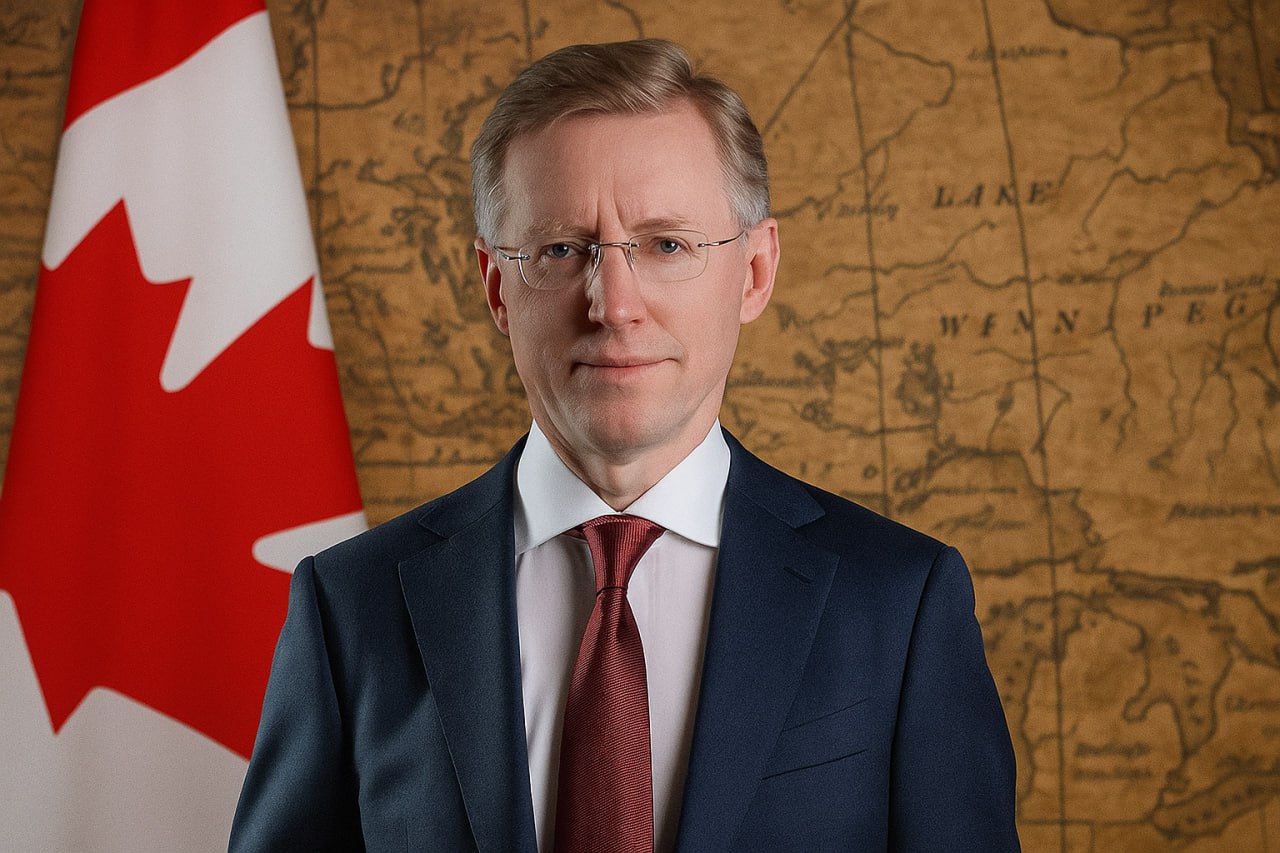
In 2005, in Canada, this legacy was re‑assembled and rethought into a single framework: the Bilingual Synchronism Method. Today this framework is moving into the digital space as an AI‑powered application.
The Schliemann Method
Heinrich Schliemann develops an intensive language‑learning method based on parallel texts and contextual comprehension — the foundation for many later innovations.
International Lenin School (Comintern)
The Comintern creates intensive training programs using and extending Schliemann's approach to prepare international activists for work abroad.
OGPU / NKVD special courses
The foundations of Soviet intensive operational language training are laid, combining Schliemann's principles with collective pedagogical practice.
Vygotsky's theoretical foundation
Lev Vygotsky formulates the idea that a foreign language opens the "conceptual system of other people", and that deep acquisition requires conscious comparison with the native language.
School of Special Purpose (SHON)
The NKVD organizes elite training using Schliemann‑based intensive methods, with participation from Comintern specialists and American communists. Early attempts were made to radically enhance the method for high‑stakes tasks.
Maurice Thorez Institute
Advanced Soviet intensive methodology is implemented for training elite interpreters, with a focus on group drills, fast lexical buildup and real‑life simulation tasks.
Parallel development by Stephen Krashen
Stephen Krashen publishes work that formalizes key principles of second language acquisition, distinguishing between conscious learning and subconscious acquisition and popularizing input‑based approaches worldwide.
Experimental adaptations
Elements of intensive Soviet training and cognitive psychology begin to migrate into experimental school and university programs, including early prototypes of bilingual synchronism‑like techniques.
Canadian innovation
In Canada, Nikolay Ignatov synthesizes intensive Soviet traditions, Vygotskian psychology and modern cognitive research into a single coherent framework: the Bilingual Synchronism Method.
Digital and AI era
The method is being transformed into an AI‑powered application, making techniques once available only in intensive offline training accessible to ordinary learners, families and schools worldwide.